
How to Get a Private Blood Test in Marbella: Options, Costs and Which Markers to Check
7 min read · By Dr. Arvin Yarollahi
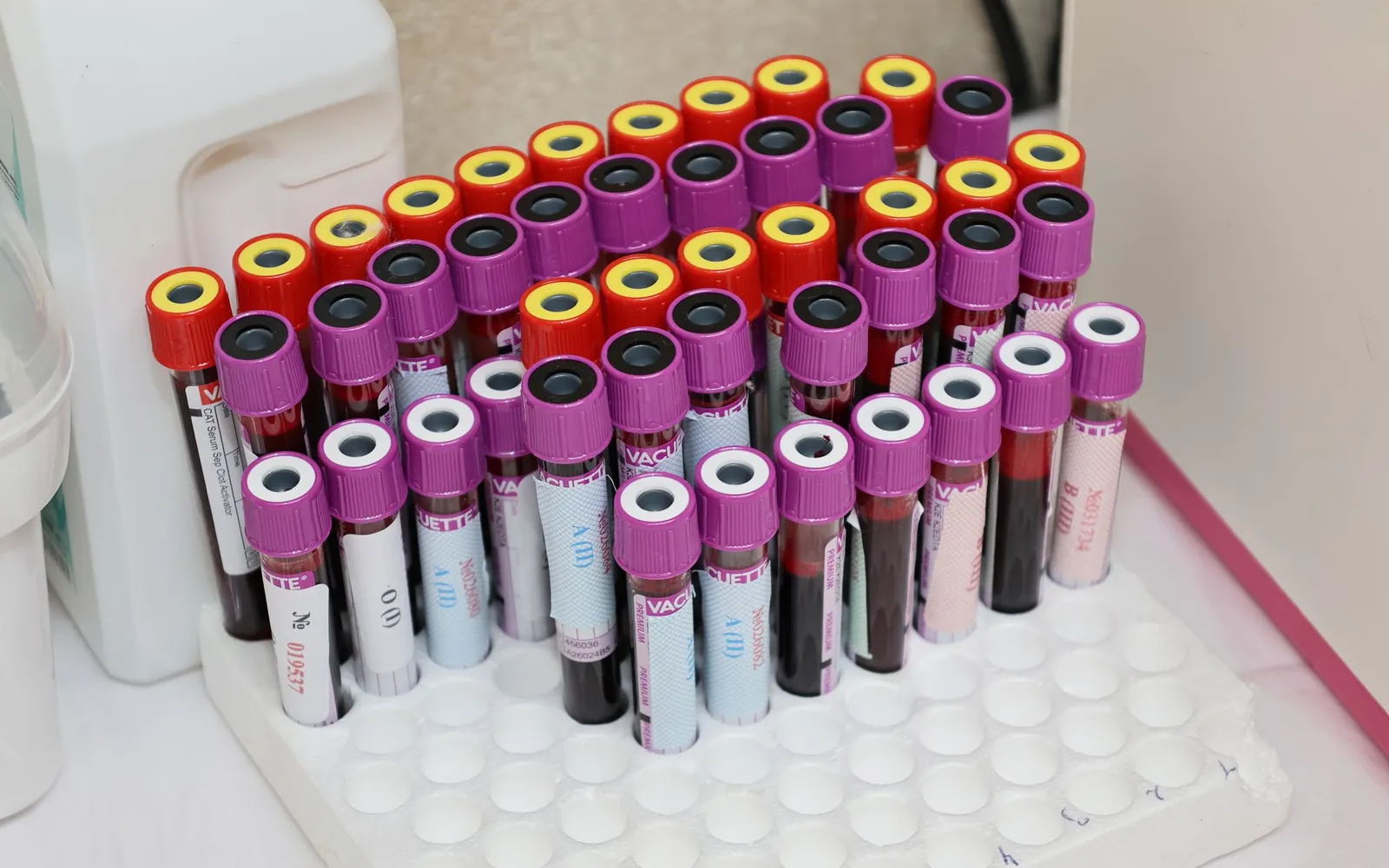
Whether you live on the Costa del Sol or are here for a few weeks, getting a blood test in Marbella is straightforward. The harder part is knowing which test to get and what the results mean for you. This guide explains your options, what they typically cost, which markers go beyond a standard test, and how to prepare so your results are reliable.
Your three options for a blood test in Marbella
1. Through the public health system
If you are registered with the Andalusian public health service (Servicio Andaluz de Salud), your GP (médico de cabecera) can request blood tests when there is a clinical reason. There is no charge at the point of use, but the tests are chosen to answer a specific clinical question, and appointments and results follow the waiting times of your health centre. It is not designed for broader check-ups requested by the patient.
2. Directly at a private laboratory
Private laboratories in Marbella take blood samples without a referral. A standard general analysis, usually a full blood count, basic biochemistry, cholesterol and glucose, is often available from around €40. This is the quickest and cheapest route if you already know exactly which tests you need. The limitation is that you choose the markers yourself, and you receive a report with reference ranges rather than an explanation of what the results mean for you.
3. A doctor-led blood test panel
With a doctor-led panel, a doctor helps you choose the markers before the test, based on your age, sex, symptoms and goals, and goes through the results with you afterwards. At CellOrtho, a private blood test in Marbella includes a consultation before the test, the blood draw at the Eurofins laboratory, and a follow-up consultation after your results. The Basic panel is €300 and the Advanced panel is €600.
Which option is right depends on what you want from the test. If you need one specific value checked, a laboratory is enough. If you want to understand where you stand and what to do about it, most of the value lies in the consultation.
What a standard blood test covers, and what it leaves out
A routine analysis usually includes a full blood count, glucose, total cholesterol, and liver and kidney markers. These are useful, but several markers that give a more detailed picture of metabolic and cardiovascular health are not usually included unless someone asks for them:
- ApoB. Measures the number of cholesterol-carrying particles that can contribute to plaque in the arteries. It can add information when standard cholesterol results look normal.
- Lp(a), lipoprotein(a). Largely determined by your genes and changed little by diet or exercise. European guidelines suggest measuring it at least once in adulthood, because a raised level is an independent cardiovascular risk factor.
- HbA1c. Reflects your average blood glucose over the past two to three months, rather than a single moment.
- Fasting insulin. Can show early changes in how your body handles glucose, sometimes before fasting glucose rises.
- hs-CRP. A sensitive marker of low-grade inflammation. It can be temporarily raised by a recent infection or hard training, so it is interpreted in context.
- Thyroid markers. TSH and free T4 give a basic view of thyroid function. Free T3 and TPO antibodies add detail where symptoms or family history suggest it.
Our Basic panel covers glucose, HbA1c, insulin, a lipid profile with ApoB, hs-CRP, TSH and free T4. The Advanced blood panel adds Lp(a), homocysteine, free T3 and TPO antibodies, along with additional hormone markers.
Blood tests for men and women: which hormones to check
Hormone markers are chosen for the individual, because what is useful differs by sex, age and symptoms.
For men, testosterone is the most common question. A total testosterone result on its own can be misleading, because much of it is bound to a protein called SHBG and is not available to the body. That is why free testosterone and SHBG are often looked at together, sometimes alongside estradiol. Read more about blood tests for men in Marbella.
For women, useful markers depend on age and stage of life and can include estradiol, progesterone, FSH, LH, SHBG and testosterone. Several of these change across the menstrual cycle, so the day of the blood draw matters and is agreed beforehand.
How to prepare for your blood test
A few simple steps make your results more reliable:
- Fast for 8 to 12 hours if your panel includes glucose, insulin or lipids. Water is fine.
- Book a morning appointment. Several hormones, including testosterone, are highest in the morning, and reference ranges are based on morning samples.
- Avoid hard exercise for 24 to 48 hours beforehand, as it can temporarily affect inflammation and muscle markers.
- Avoid alcohol the day before.
- Mention any supplements, especially biotin, which can interfere with some thyroid and hormone tests. Your doctor may suggest pausing it for a few days before the test.
- Keep taking prescribed medication unless your doctor advises otherwise, and mention it during the consultation.
How a doctor-led blood test works
- Consultation before the test. You speak with Dr. Arvin Yarollahi about your symptoms and goals, and decide together which panel suits you.
- Blood draw. Your sample is taken at Eurofins Marbella on Avenida Ricardo Soriano. The draw takes about 15 minutes, and no CellOrtho appointment is needed for this step.
- Follow-up consultation. Once your results are available, Dr. Yarollahi goes through each marker with you and gives practical advice on nutrition, training and lifestyle, along with any further investigations that may be worth considering.
A blood test does not diagnose a condition on its own. Results are interpreted together with your history, your symptoms and, where needed, other tests.
When imaging adds to a blood test
Blood tests show what is happening with your metabolism, hormones and inflammation, but they cannot measure your bones, muscle or joints.
- A DEXA scan in Marbella measures bone mineral density and body composition: how much of your body is fat, lean tissue and bone, and where it sits. It is often combined with a blood test when the aim is to track your health over time.
- A private MRI scan in Marbella is used when there is a specific problem to investigate, such as joint pain, a sports injury or back pain. It shows cartilage, tendons, ligaments and other soft tissue in detail.
Frequently asked questions
Do I need a referral for a private blood test in Spain?
No. Private laboratories and clinics accept patients without a referral. A consultation helps you choose the right tests and understand the results.
How much does a private blood test cost in Marbella?
A standard general analysis at a laboratory is often available from around €40. Doctor-led panels that include consultations before and after the test cost more. At CellOrtho, the Basic panel is €300 and the Advanced panel is €600.
Do I need to fast before a blood test?
For glucose, insulin and lipid markers, fasting for 8 to 12 hours is usually recommended. You can drink water.
Where is the blood sample taken?
For CellOrtho panels, the sample is taken at Eurofins Marbella on Avenida Ricardo Soriano, not at CellOrtho.
This article provides general educational information. Decisions about testing and treatment require an individual medical assessment.
Speak with our medical team about your case. Book a free introductory video consultation.
Medically reviewed by Dr. Arvin Yarollahi, Specialist in Orthopaedic Surgery and Traumatology. Last reviewed .
Dr. Arvin Yarollahi
Founder & Medical Director, CellOrtho
Specialist in Orthopaedic Surgery and Traumatology, with a clinical interest in sports medicine and regenerative medicine. Licensed in Sweden, the UK and Spain.