Does PRP Work for Knee Osteoarthritis? What the Evidence Shows
6 min read · By Dr. Arvin Yarollahi
What is PRP Therapy?
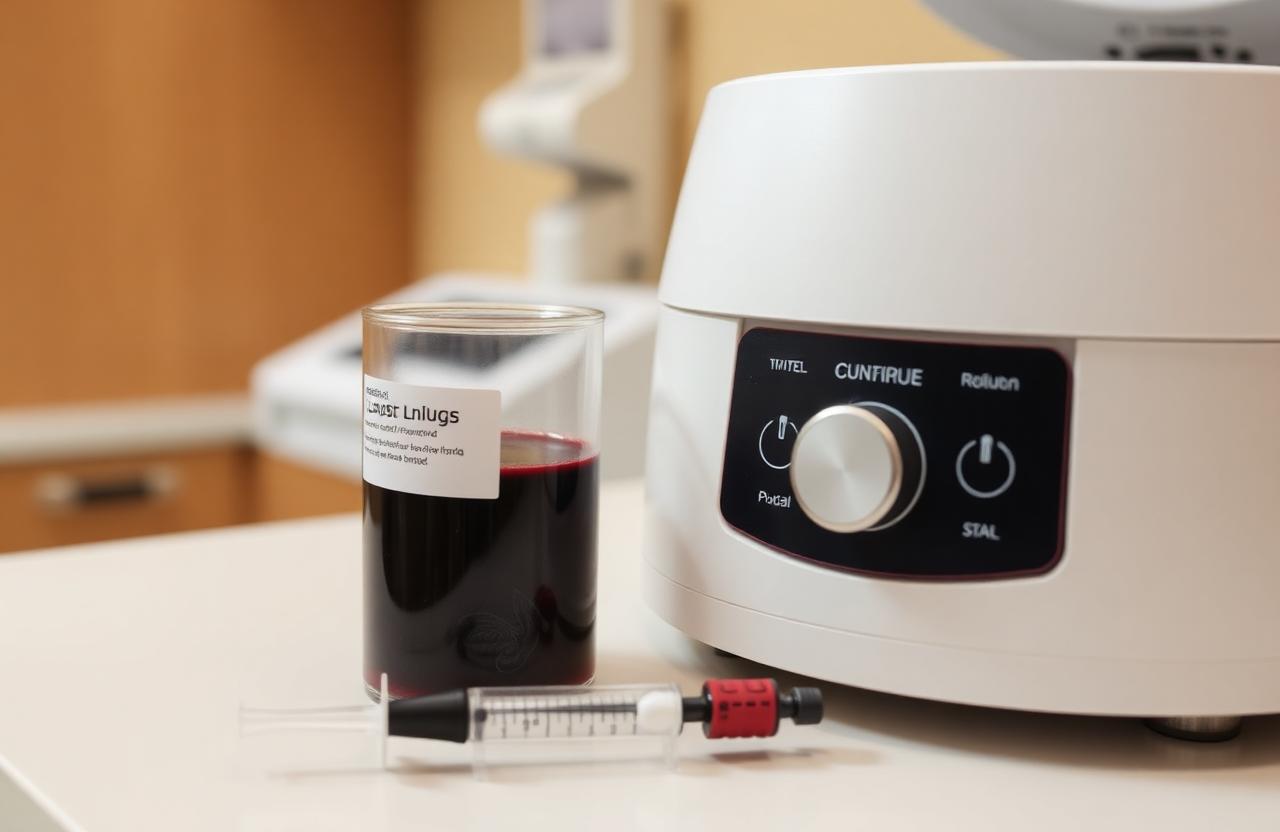
PRP stands for Platelet-Rich Plasma. It is prepared from a small sample of the patient's own blood, which is processed in a centrifuge to concentrate the platelets and growth factors. This concentrated preparation is then injected into the affected joint. Because it is derived from the patient's own blood, no foreign material is involved, although side effects such as temporary pain and swelling can occur. Learn more about our PRP therapy protocol.
What Does the Clinical Evidence Show?
PRP for knee osteoarthritis has been studied in multiple randomised controlled trials and systematic reviews. Results differ between studies, and most of the research has focused on mild to moderate osteoarthritis.
A systematic review published in the American Journal of Sports Medicine reported greater improvements in pain and function scores with PRP than with hyaluronic acid injections at 6 and 12 months. Some studies comparing PRP with cortisone have reported faster short-term relief with cortisone and differences in favour of PRP at 6 and 12 months. Study designs, preparation methods and patient groups vary, which limits firm conclusions.
PRP is thought to act through concentrated growth factors that may influence the inflammatory environment in the joint. Cortisone works by suppressing inflammation. The two act through different mechanisms, and the exact mechanism of PRP is still being researched.
Which Patients Have Been Studied?
Most studies have involved patients with mild to moderate knee osteoarthritis. In more advanced joint degeneration, reported responses are more variable. PRP has also been studied in some knee tendon and ligament conditions, where the evidence differs between conditions. See our full guide to knee osteoarthritis treatment.
In end-stage osteoarthritis with almost complete cartilage loss, there is little evidence to support PRP, and a surgical opinion may be appropriate.
How Does PRP Compare to Knee Replacement?
PRP is not a replacement for knee replacement surgery in patients who genuinely need it. Some patients who are considering knee replacement ask about non-surgical options. Whether any of these is appropriate depends on the individual case and is decided after medical assessment.
Non-surgical treatment should not be regarded as a way to prevent surgery, and surgery remains the appropriate option for some patients. Suitability is decided after individual assessment.
What to Expect from PRP Treatment for Knee Pain
A typical PRP protocol for knee osteoarthritis involves 1 to 3 sessions, spaced 4 to 6 weeks apart. Responses vary between individuals, and some patients do not respond. The procedure itself takes approximately 45 to 60 minutes including preparation.
This article provides general educational information. Treatment decisions require individual medical assessment.
Speak with our medical team about your case. Book a free introductory video consultation.
Dr. Arvin Yarollahi
Founder & Medical Director, CellOrtho
Specialist in Orthopaedic Surgery and Traumatology, with a clinical interest in sports medicine and regenerative medicine. Licensed in Sweden, the UK and Spain.